Planning meals using pantry staples is a smart way to simplify your cooking routine, save money, and reduce food waste. Your pantry holds many versatile ingredients that can transform into satisfying meals with just a little creativity. In this post, we’ll explore how to make the most of your pantry staples and plan meals that are easy, nutritious, and delicious.
Why Use Pantry Staples for Meal Planning?
Pantry staples are non-perishable or long-lasting items like canned goods, dried grains, spices, and oils that form the foundation of many dishes. Here are some key benefits of planning meals around these essentials:
– Convenience: You always have the basics on hand.
– Cost-effective: Buying pantry staples in bulk reduces overall food costs.
– Less waste: Using pantry items before they expire helps minimize waste.
– Flexibility: Staples pair well with fresh ingredients for countless meal options.
Step 1: Take Inventory of Your Pantry Staples
Before diving into meal planning, it’s helpful to know what you already have. Set aside time to check your pantry and make a list of staples such as:
– Canned beans and vegetables
– Rice, pasta, and other dried grains
– Canned tomatoes and sauces
– Broth or stock
– Cooking oils like olive or vegetable oil
– Flour, sugar, and baking essentials
– Dried herbs, spices, and seasonings
– Nut butters and canned fish (e.g., tuna, salmon)
– Shelf-stable dairy alternatives (powdered milk, shelf-stable plant milk)
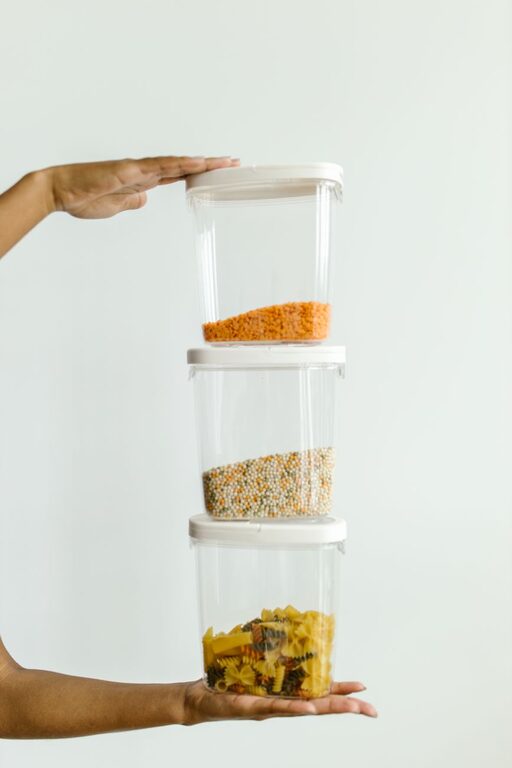
Organizing your pantry can also make meals easier to plan and cook. Consider grouping similar items together or labeling shelves.
Step 2: Think About Meal Types and Themes
Once you know what you have, think about the kinds of meals you enjoy and how pantry staples can fit in. Here are some common meal themes you can plan around pantry staples:
Grain Bowls and Salads
Combine cooked rice, quinoa, or pasta with beans, canned vegetables, and a simple dressing. Add any fresh produce or proteins you have on hand.
Soups and Stews
Start with broth or stock, add canned tomatoes, beans, and dried spices for hearty, warming meals. They’re perfect for using up multiple pantry staples.
Pasta and Sauces
Pasta is a quick base that pairs well with canned tomato sauce, olive oil, garlic, and herbs.
Stir-Fries or Skillet Meals
Use oils, rice or noodles, canned vegetables, and spices to create flavorful dishes in a single pan.
Baked Goods and Snacks
Pantry staples like flour, sugar, and baking powder can be used for muffins, breads, or homemade crackers.
Step 3: Plan Your Meals Around Your Pantry and Fresh Ingredients
A balanced meal often includes grains, protein, vegetables, and some fats. When planning meals:
– Use pantry staples as the base (e.g., rice, pasta, beans)
– Add fresh or frozen vegetables for nutrition and flavor
– Include protein sources like canned fish, beans, or eggs
– Use your herbs and spices to create variety and depth
Sample Meal Plan Using Pantry Staples
| Meal | Pantry Staples Used | Fresh Ingredients |
|—————|——————————|—————————–|
| Lentil Soup | Lentils, canned tomatoes, broth, spices | Carrots, onions, celery |
| Tuna Pasta Salad | Pasta, canned tuna, olive oil, vinegar | Cherry tomatoes, cucumbers |
| Rice & Beans | Rice, canned black beans, spices | Avocado, salsa, lime |
| Chickpea Curry| Chickpeas, coconut milk (canned), curry powder | Spinach, onions |
| Pancakes | Flour, baking powder, sugar, powdered milk | Eggs, milk (or water) |
Step 4: Use Meal Prep and Batch Cooking
When cooking with pantry staples, batch cooking can save time. Prepare a large pot of soup, stew, or grain-based salad and store portions in the fridge or freezer for easy meals later in the week.
Tips for batch cooking:
– Cook grains in bulk and portion for meals.
– Make a big sauce or curry that pairs with rice or pasta.
– Store cooked beans or legumes for quick additions to salads or wraps.
Step 5: Experiment With Flavor
Pantry staples can feel basic, but spices, herbs, and condiments help keep meals exciting. Keep a collection of versatile seasonings such as:
– Garlic powder
– Cumin
– Paprika
– Chili flakes
– Italian seasoning
– Soy sauce
– Vinegars and mustards
Don’t be afraid to try new spice combinations or add a squeeze of citrus to brighten dishes.
Step 6: Keep Staples Restocked and Organized
Regularly check your pantry staples for expired items and keep a list of what needs restocking. This will make meal planning easier and ensure you always have the essentials needed for a variety of recipes.
Final Tips
– Keep some quick-cooking grains like couscous or quick oats for fast meals.
– Use canned beans for protein without the need to soak or cook dried beans.
– Frozen vegetables can complement pantry staples when fresh produce isn’t available.
– Remember that simple dishes can be delicious with the right seasoning and proper cooking techniques.
—
By planning meals around your pantry staples, you can enjoy cooking that’s stress-free, economical, and adaptable. With some organization and creativity, meals from pantry basics can become your go-to solution for busy days or tight budgets. Give it a try, and you might discover new favorite recipes along the way!
About the Author