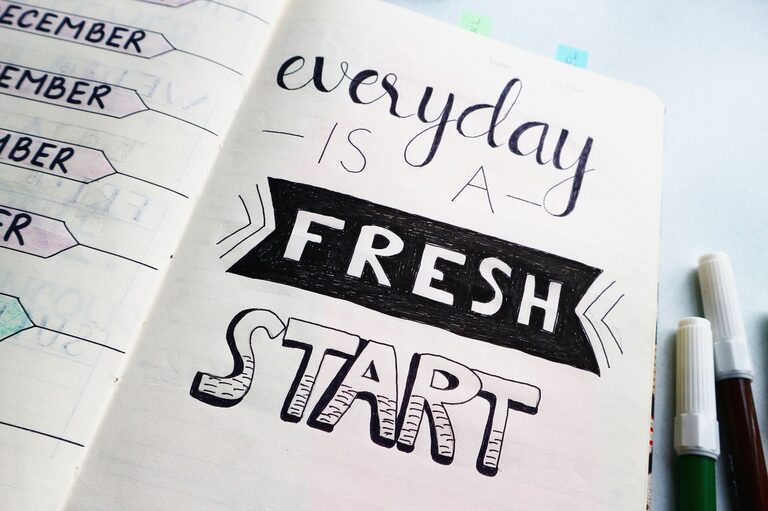

Journaling is a powerful tool that many people use to improve their mental clarity, boost creativity, and manage stress. If you’ve ever thought about starting a journal but weren’t sure where to begin, this beginner guide will help you create a daily journaling habit easily and enjoyably.
Why Journal Every Day?
Journaling daily offers several benefits:
– Improves self-awareness: Writing about your thoughts and feelings helps you understand yourself better.
– Reduces stress: Putting your worries on paper can make them feel more manageable.
– Enhances creativity: Regular writing sparks new ideas and solutions.
– Tracks progress: Journals allow you to look back and see how much you’ve grown or accomplished.
– Boosts mindfulness: Daily reflection helps you stay present and appreciate small moments.
Getting Started: What You Need
You don’t need much to start journaling—just a notebook and a pen or a digital device like a smartphone or computer. Choose whatever feels comfortable and accessible. Some people love the tactile feel of a paper journal, while others prefer the convenience of apps.
Choosing Your Journaling Medium
– Paper journal: Allows for drawings, stickers, and a break from screens.
– Digital journal: Use apps like Evernote, Day One, or simple text files.
– Voice journal: If writing isn’t your thing, record your thoughts verbally.
Setting Up a Daily Journaling Habit
Consistency is key to making journaling a part of your everyday routine. Here are some tips to help you build that habit:
Pick a Time That Works for You
– Morning: Reflect on your goals and set your intentions.
– Evening: Review your day and unload any lingering thoughts.
– Flexible: Whenever you have a quiet moment.
Start Small
Begin with just 5 minutes a day. Short sessions reduce pressure and make it easier to stay consistent.
Create a Comfortable Space
Find a spot free from distractions where you can relax and focus on your writing.
Use Prompts if You’re Stuck
Here are a few to get you going:
– What am I grateful for today?
– What was a highlight of my day?
– What challenges did I face and how did I handle them?
– What can I do tomorrow to feel better or be more productive?
What to Write About
Journaling doesn’t have to be structured or perfect. It’s a personal space for you to express yourself freely. Here are some ideas:
Daily Reflection
Write about what happened during your day, your feelings, and any lessons learned.
Goal Tracking
Keep notes on your progress toward any personal or professional goals.
Creative Writing
Try poems, stories, or doodles if you want to mix up your entries.
Brain Dump
Write down whatever is on your mind to clear mental clutter.
Tips for Staying Motivated
Journaling can feel challenging at first, but these tips can help:
– Be kind to yourself: It’s okay to miss a day or write a short entry.
– Mix it up: Change your prompts or try different styles.
– Celebrate milestones: Reward yourself for sticking to your habit for one week, one month, etc.
– Share selectively: If you want, share some entries with a friend or therapist for support.
– Review your journal: Every few weeks, read past entries to see your progress and insights.
Common Challenges and How to Overcome Them
Feeling Like You Don’t Have Time
Try journaling for just 2–3 minutes or combine it with another habit (like having morning coffee).
Not Knowing What to Write
Use prompts or focus on small details like how you feel physically or what you notice around you.
Getting Discouraged by “Bad Writing”
Remember, your journal is for your eyes only. There’s no right or wrong.
Final Thoughts
Starting a daily journaling habit might feel intimidating at first, but it quickly becomes a rewarding practice that supports your mental and emotional health. Keep things simple, be patient with yourself, and enjoy the journey of self-discovery that journaling offers.
Happy writing!
About the Author