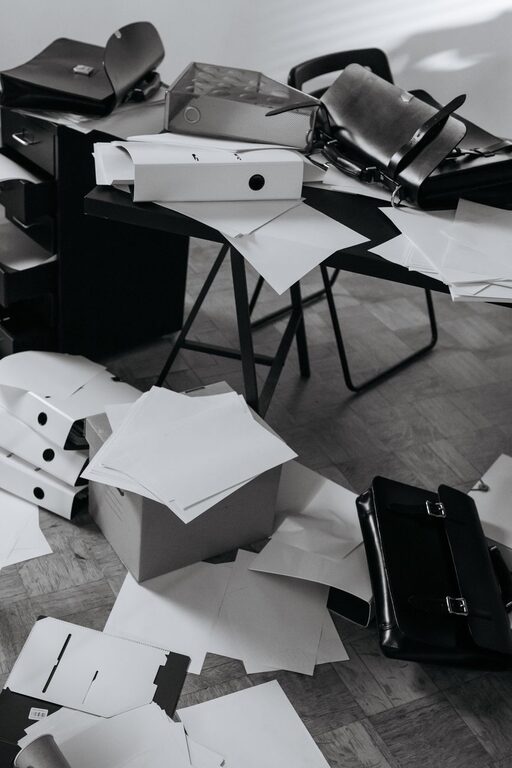
Reducing paper clutter in your home can make a big difference in how tidy and stress-free your living space feels. Paper tends to accumulate quickly—from mail, receipts, bills, schoolwork, to magazines—and if not managed regularly, it can overwhelm your home. The good news is that there are simple, practical ways to keep paper clutter under control. This guide will walk you through easy steps to reduce paper clutter and maintain a more organized household.
Why Paper Clutter Happens
Paper clutter often builds up because it comes in regularly and requires some action, like reading or filing. Without a system in place, papers pile up on counters, desks, and tables. Also, many people hold on to papers “just in case,” which leads to unnecessary accumulation. By understanding why clutter happens, you can take steps to prevent it.
Steps to Reduce Household Paper Clutter
1. Go Digital Whenever Possible
One of the most effective ways to cut down on paper clutter is to switch to digital options:
– Opt for e-bills and statements. Most utilities, banks, and service providers allow you to receive electronic bills and statements. This reduces paper coming into your home and makes it easier to track payments online.
– Use digital note-taking apps. Instead of jotting down notes on paper, try apps like Evernote or Google Keep.
– Scan important documents. Use a scanner or a scanning app on your phone to create digital copies of important paper documents. Store them securely on your computer or cloud storage.
2. Set Up a Mail Sorting Station
When mail arrives, deal with it immediately to prevent it from piling up.
– Create a dedicated space. Set up a small tray or basket near your entryway or kitchen where you can place all incoming mail.
– Sort mail right away. Quickly separate mail into categories: bills, junk mail, personal correspondence, and items that need action.
– Recycle junk mail immediately. Avoid stacking unwanted mail by recycling or shredding it as soon as you identify it.
3. Establish a Filing System
For papers you need to keep, an easy-to-use filing system will save time and reduce clutter.
– Use labeled folders or binders. Sort documents into categories like “Bills,” “Medical,” “Warranties,” “School,” and “Tax Documents.”
– Keep files accessible but organized. Use a filing cabinet, portable file box, or desktop file organizer.
– Purge regularly. Schedule time every few months to review and discard outdated documents.
4. Minimize Paper from the Start
Preventing paper clutter means reducing the paper that enters your home.
– Unsubscribe from physical catalogs and magazines. Use websites like Catalog Choice to opt-out.
– Choose paperless receipts. When shopping, ask if you can receive an email receipt instead of a printed one.
– Use reusable shopping lists. Instead of scratch paper, use a whiteboard or chalkboard for grocery lists.
5. Manage Kids’ Paperwork
Children’s school papers, artwork, and homework can quickly create piles of paper.
– Create a display area. Use a bulletin board or magnetic strip to showcase recent artwork or important notices.
– Limit what you keep. Save only special pieces or those required for school records.
– Digitize artwork. Take photos of artwork before discarding it; create a digital photo book or slideshow.
6. Use Technology to Your Advantage
Technology offers tools to help you stay on top of paperwork.
– Set reminders. Use calendar apps to remind you when bills are due or when to file papers.
– Apps for receipts and warranties. Use apps designed to organize receipts or keep track of warranties and warranties expiration dates.
7. Regular Maintenance
Keeping paper clutter in check requires ongoing effort.
– Daily or weekly routines. Spend a few minutes each day or a longer session each week sorting, filing, and discarding papers.
– Encourage family participation. Make sorting mail and managing papers a shared household task.
Benefits of Reducing Paper Clutter
By managing paper clutter, you create a more organized, relaxing home. It helps you find important documents quickly, reduces stress, and even saves you money by preventing missed bills or lost receipts. Plus, it’s better for the environment when you reduce waste.
Final Thoughts
Reducing household paper clutter doesn’t have to be overwhelming. By adopting simple routines, embracing digital alternatives, and creating systems tailored to your needs, you can keep your home clutter-free and enjoy a more peaceful living space. Start small, stay consistent, and watch the paper piles disappear!
About the Author